A battery light that comes on while you are driving is not a warning to ignore until the weekend. It can mean your car is running only on stored battery power, and that power may run out sooner than you expect. This car alternator failure guide helps South Florida drivers recognize the signs, make a safe decision at the roadside, and understand when mobile help is the better option than risking another mile.
What an Alternator Does for Your Car
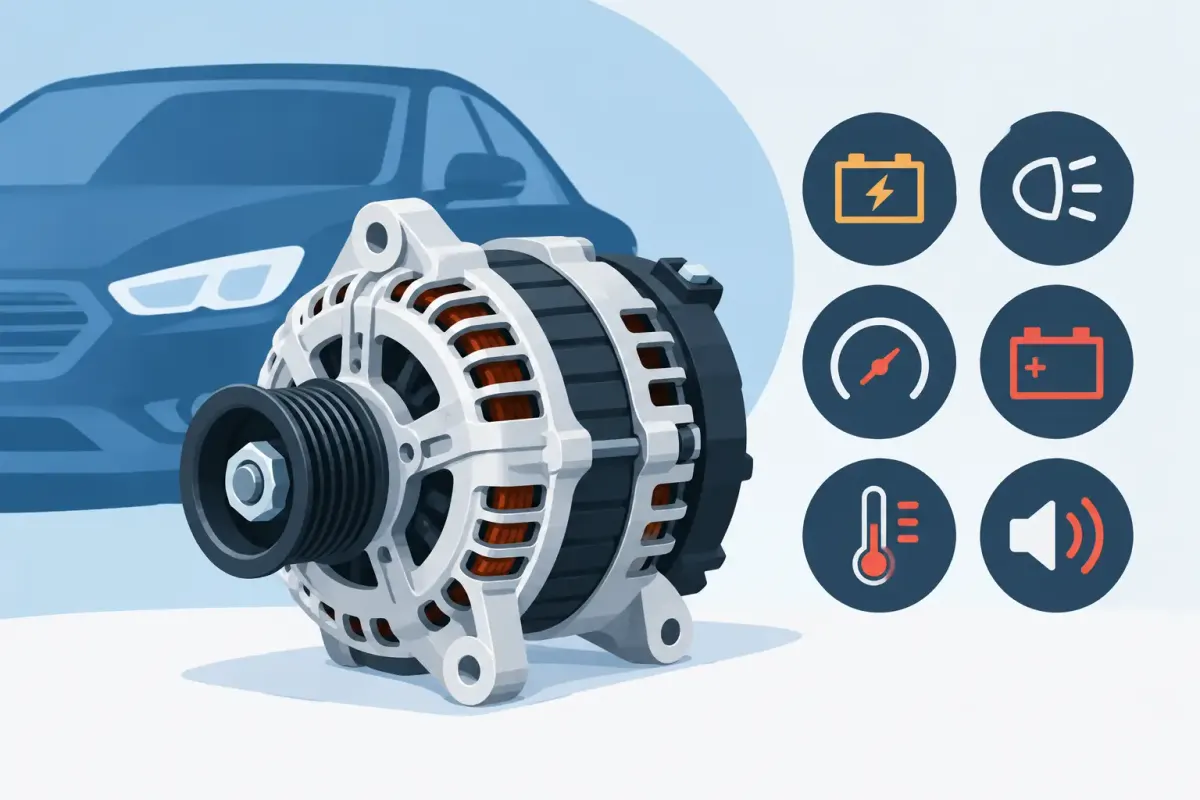
Your alternator works while the engine is running. It produces electricity to power systems such as the headlights, dashboard, air conditioning, power steering, radio, and charging ports. At the same time, it recharges the battery after the battery provides the power needed to start the engine.
That relationship is why alternator trouble is often mistaken for a bad battery. A weak battery can prevent the car from starting. But if the battery is new or tests well and the vehicle keeps losing power while driving, the charging system needs attention. Replacing the battery alone may only get you moving briefly before the same problem returns.
In South Florida, heat can put extra strain on both batteries and charging components. Heavy air conditioner use, stop-and-go traffic, short trips, and sudden rainstorms that require lights and wipers all increase the electrical demand on your vehicle. An alternator that is beginning to fail may struggle most when those accessories are running.
Car Alternator Failure Guide: Common Warning Signs
Alternator failure is not always sudden. Many drivers get warning signs, but the signs can appear gradually or come and go at first. If more than one of these symptoms is happening, do not assume your car will make it home.
The battery or charging-system light is on
The battery-shaped dashboard light is often the clearest sign of a charging-system issue. Despite its name, it does not automatically mean the battery itself has failed. It can indicate the alternator is not charging properly, a belt is slipping, or there is a wiring or connection problem.
If this light appears while you are driving, reduce unnecessary electrical use and arrange for a safe inspection as soon as possible. Turning off the radio, heated features, and phone chargers can help preserve power, but it is not a repair.
Headlights and interior lights look dim or flicker
Lights that dim at stoplights, brighten when you accelerate, or flicker while driving can point to inconsistent alternator output. You may also notice dashboard lights pulsing or the infotainment screen restarting. These problems are especially noticeable after dark, when your vehicle needs more electrical power.
Do not rely on a temporary improvement. An alternator can produce enough power at one moment and fail to keep up the next.
The car has electrical problems that seem unrelated
Slow power windows, erratic gauges, weak air conditioning blower speed, a radio that cuts out, or warning lights that appear without a clear reason can all be connected to low system voltage. Modern vehicles depend on stable electrical power. When charging output drops, the symptoms can feel random.
A proper diagnosis matters here. Loose battery terminals, corroded connections, a worn belt, and battery failure can create similar symptoms. Mobile diagnostics can identify the actual issue before a part is replaced.
You smell burning rubber or hear unusual noises
A failing alternator bearing may make a whining or grinding sound from the engine area. A loose, worn, or slipping serpentine belt can squeal, especially during startup or when electrical demand is high. A burning rubber smell can also mean a belt is overheating from slipping.
Pull over safely if you notice these signs, especially when they are paired with a battery warning light. Do not reach into the engine compartment or attempt to adjust a belt with the engine running.
The engine stalls or will not restart
When the alternator stops charging, the car keeps operating on battery power until the battery is depleted. Eventually, engine and safety systems may not receive enough voltage to function correctly. The vehicle can stall, and once it is turned off, it may not restart.
A jump-start may start the car in this situation, but it does not fix a failed alternator. If the charging system is not working, the vehicle can die again shortly after the jump. That is why a jump-start is sometimes useful for moving a vehicle to safety, but not a reliable answer to alternator failure.
What to Do When You Suspect an Alternator Problem
Your first priority is getting out of traffic safely. If the car is still running, avoid sudden maneuvers and head to the nearest safe parking area, shoulder, or lot. Use your hazard lights when needed, but remember they also use battery power.
Once safely stopped, avoid repeatedly trying to restart the engine. Each attempt drains the battery further. If you have a battery warning light, dimming lights, or stalling symptoms, a professional charging-system test is a better next step than guessing.
If the vehicle is losing power while driving, limit accessories that are not necessary for safety. That may include the radio, charger, and other convenience features. However, keep your headlights on when visibility requires them. Safety always comes before trying to extend the remaining battery charge.
It is also wise to avoid driving a suspected alternator failure across busy roads, highways, or long distances. The car may stall without much warning. Losing power in South Florida traffic can put you and other drivers at risk, particularly at night or during heavy rain.
Why Testing Comes Before Replacement
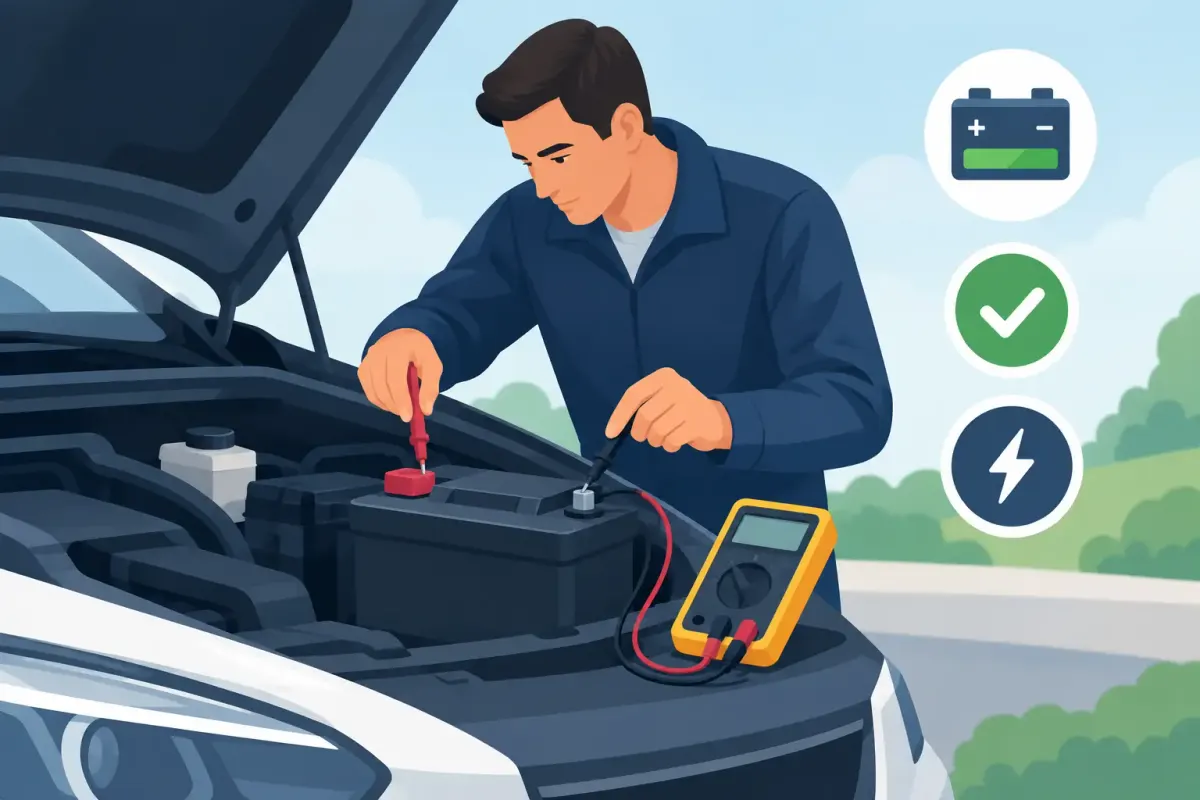
An alternator replacement is not the right solution for every no-start or battery-light problem. A trained technician should check the battery condition, charging voltage, connections, belt condition, and related components. This protects you from paying for the wrong repair.
For example, a battery that is old, damaged by heat, or unable to hold a charge may need replacement even if the alternator is working normally. On the other hand, a good battery will keep going dead if a failing alternator cannot recharge it. A damaged cable or corroded terminal can also interrupt charging and create the same frustrating symptoms.
The trade-off is simple: quick guesses can feel convenient, but accurate testing usually saves time, money, and a second breakdown. ASAP Roadside can test the battery on the spot and tell you whether the problem looks like the battery or something else. If the alternator needs replacement, that repair belongs at a repair shop.
Can You Drive With a Bad Alternator?
Sometimes a car with a failing alternator will drive for a short distance. The problem is that there is no dependable mileage estimate. A fully charged battery, the age of the battery, vehicle electrical load, weather, and the type of failure all affect how long the engine will continue running.
A vehicle might travel several miles, or it might stall at the next intersection. That uncertainty is the reason to treat alternator symptoms as urgent. If you must move the vehicle to get out of immediate danger, do so cautiously and only as far as necessary. Do not plan a normal commute, school pickup, or highway trip around a car that is no longer charging.
How On-Site Battery Testing Helps
When your vehicle is stuck at home, in an office parking lot, outside a store, or on the roadside, the biggest concern is usually not the part itself. It is how quickly you can get reliable answers and get back to your day.
A mobile technician can come to your location, inspect the charging system, explain the issue in plain language, and determine whether the battery, alternator, belt, or connections are responsible. If the alternator needs replacement, that is a job for a repair shop, but you will know what you are dealing with before you decide what to do next.
ASAP Roadside Services provides on-location battery testing, battery replacement, and jump starts for drivers from North Lauderdale to Boynton Beach. Alternator and starter repairs need a repair shop; when it makes sense, ASAP can jump start the vehicle or replace the battery to help in the meantime. The goal is straightforward: provide dependable service, clear communication, and an affordable path back on the road.
Reduce the Chance of a Surprise Breakdown
No maintenance plan can prevent every mechanical issue, but a few habits can catch problems earlier. Have your battery and charging system checked if the battery is more than a few years old, if you notice slower starts, or before a long trip. Pay attention to squealing belts, flickering lights, and new dashboard warnings rather than waiting for the car to stop.
Keep battery terminals clean and secure, and make sure any battery replacement is the correct type for your vehicle. If your car has needed repeated jump-starts, treat that as a reason to test the full charging system, not just a reason to buy another battery.
A warning light is stressful, but it does not have to turn into a stranded night on the roadside. Stop somewhere safe, get the charging system checked, and choose a repair option that gives you confidence before you drive again.