A car can feel perfectly normal one minute, then refuse to start after a quick stop at the store. If you are wondering, “when should I replace alternator parts?” the answer usually starts with a few warning signs: a battery light, dimming headlights, electrical problems, or a vehicle that stalls unexpectedly. The alternator keeps your battery charged while the engine runs. When it cannot keep up, your car may leave you stranded with little notice.
The good news is that an alternator problem can often be diagnosed before it becomes a full roadside emergency. Knowing what to watch for helps you make a smart decision, avoid repeated jump starts, and get the repair handled by a shop before it strands you.
When Should I Replace My Alternator?
Replace your alternator when testing confirms that it is not charging the battery properly, or when it has an internal failure that cannot be repaired reliably. A weak alternator does not always fail all at once. It may work intermittently for days or weeks, charging enough to get you through short drives but not enough to keep the battery healthy.
Most alternators last roughly 80,000 to 150,000 miles, but mileage alone should not decide the repair. South Florida heat, frequent stop-and-go driving, a worn drive belt, fluid leaks, corrosion, and heavy electrical demand can shorten its life. An older alternator with no symptoms may have plenty of usable life left, while a newer one with poor charging output needs attention now.
The key is to diagnose the charging system instead of guessing. A dead battery can look like an alternator issue, and an alternator issue can repeatedly drain a perfectly good battery. Replacing the wrong part costs money and does not solve the problem.
The Warning Signs You Should Not Ignore
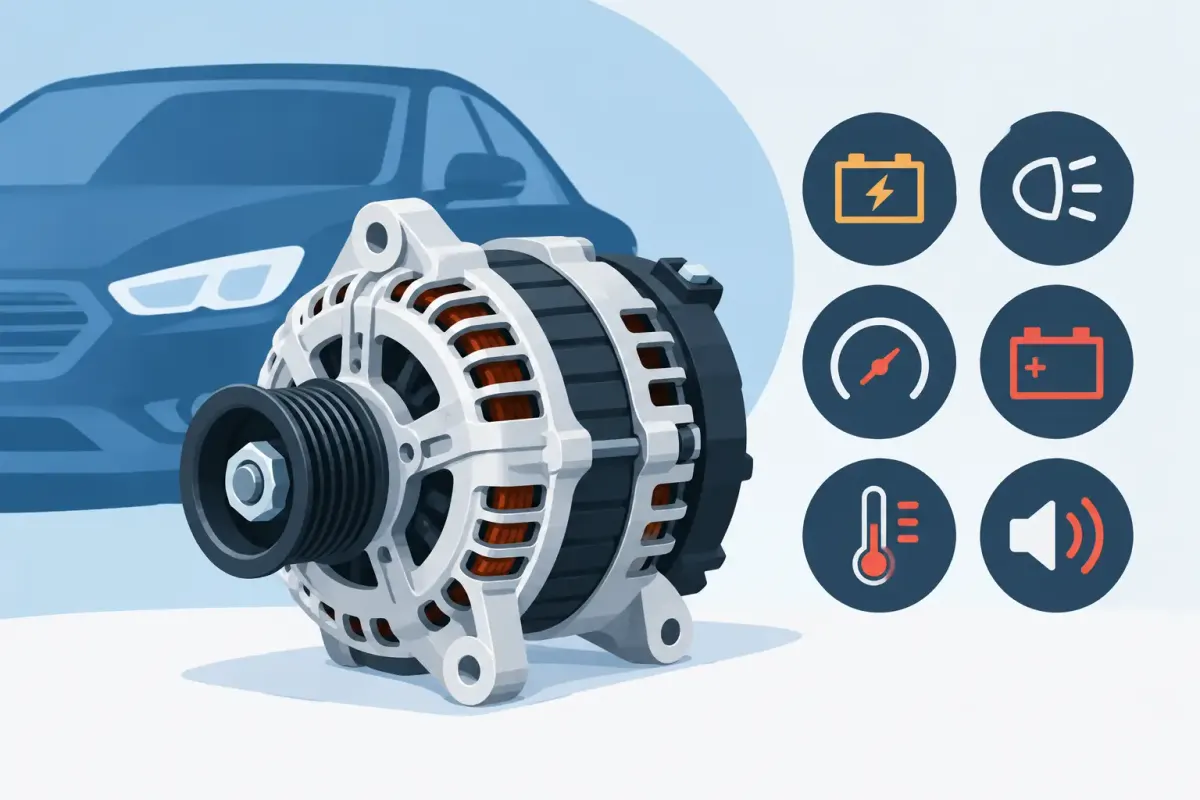
The battery warning light is the most common clue. Despite what many drivers assume, that light does not always mean the battery itself is bad. It often means the charging system is not operating normally. If it comes on while you are driving, limit unnecessary electrical use and arrange for service as soon as it is safe.
Dimming or flickering headlights are another strong sign, especially when the engine is idling. You may notice the lights brighten when you press the gas pedal, or the dashboard lights may pulse. Power windows can move slowly, the radio may cut out, and the air conditioning blower may weaken. These are signs that the vehicle is not receiving steady electrical power.
A burning rubber smell or a whining, grinding sound under the hood also deserves prompt attention. The alternator relies on a belt to spin. A slipping or damaged belt can prevent proper charging even if the alternator itself is still functional. A worn bearing inside the alternator can create noise and eventually cause a complete failure.
Pay close attention if your car needs frequent jump starts. One jump start after leaving a light on is one thing. Needing another jump shortly after driving is different. If the alternator is not recharging the battery, the battery will lose power every time the engine runs.
The most urgent symptom is a vehicle that stalls while driving or dies shortly after a jump. As battery power drops, modern vehicles can lose essential electrical functions. Do not try to keep driving until the car quits completely. Pull over safely and request help.
Why a New Battery Does Not Always Fix the Problem
Many drivers replace a battery because the car will not start, only to face the same issue a few days later. That is frustrating, but it makes sense when the alternator is the real problem. The battery provides the power to start the engine. Once the engine is running, the alternator is responsible for replacing that energy and powering the electrical system.
If an alternator is weak, it can leave a new battery undercharged. Repeated deep discharge also shortens battery life, which means one charging-system issue can turn into two repairs. On the other hand, a battery with a bad cell can mimic alternator trouble. Professional on-site testing helps separate these possibilities before parts are replaced.
How Alternator Testing Helps You Avoid Guesswork
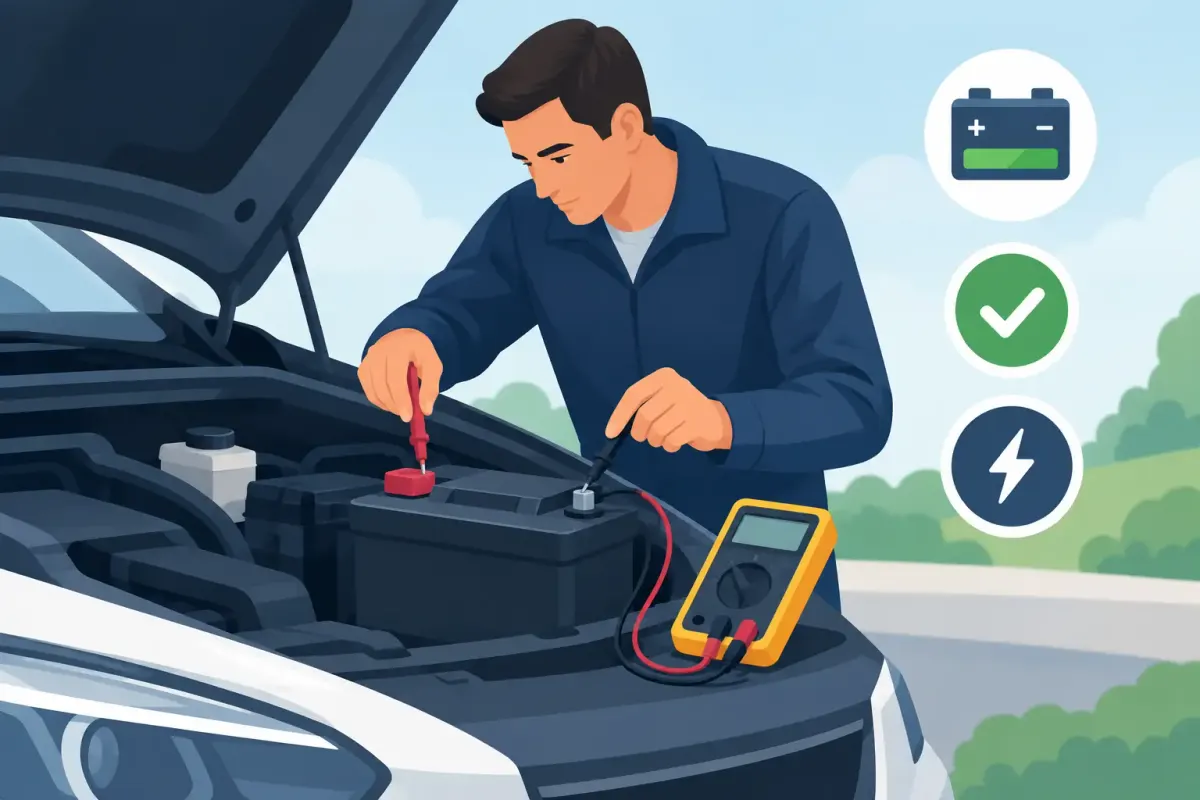
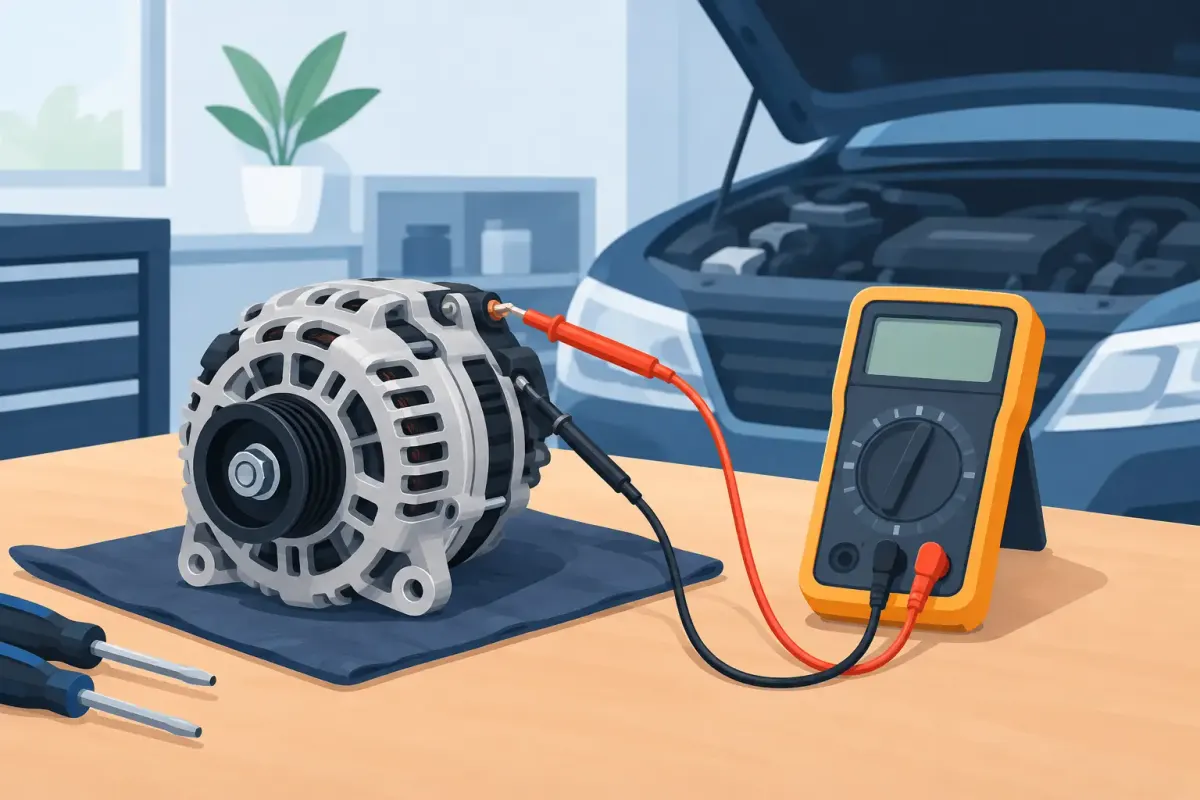
A proper diagnosis checks more than whether the engine starts. A technician can test battery condition, charging voltage, belt condition, cable connections, and the alternator’s output under electrical load. This matters because some failures only appear when headlights, air conditioning, and other accessories are running.
A healthy charging system commonly produces around 13.5 to 14.5 volts with the engine running, though exact readings vary by vehicle. A reading outside the expected range can point to an undercharging or overcharging problem. Overcharging is also serious because excessive voltage can damage the battery and sensitive electronics.
Avoid relying only on a dashboard light or a quick voltage reading from a cheap meter. Those clues are useful, but they do not always identify the failed component. A loose connection, damaged cable, bad belt tensioner, or corroded battery terminal may create similar symptoms.
Can You Drive With a Bad Alternator?
Sometimes, but it is rarely a good gamble. How far you can drive depends on the battery’s remaining charge, your vehicle’s electrical needs, traffic conditions, and whether the alternator is completely dead or only weak. There is no reliable number of miles that applies to every car.
If the battery light comes on while you are already on the road, turn off nonessential accessories when safe to do so. Avoid extra stops, do not shut off the engine until you reach a safe location, and do not assume a jump start will solve the underlying issue. If lights are dimming, electronics are failing, or the car is stalling, pull over rather than risking a breakdown in traffic.
For drivers in South Florida, heat can make a marginal battery and alternator situation worse. Air conditioning is not a luxury during much of the year, but it adds electrical demand. That is another reason to get a charging issue checked promptly instead of hoping the vehicle makes it through another commute.
What Happens During Alternator Replacement
When your car is stuck at home, work, a shopping center, or on the roadside, start by confirming the source of the no-start or charging issue. ASAP Roadside can test the battery on the spot and tell you whether the problem looks like the battery or something else. Alternator repairs need a repair shop; when it makes sense, ASAP can jump start the vehicle or replace the battery to help in the meantime.
At the repair shop, the process generally includes disconnecting the battery, removing the drive belt from the alternator, replacing the failed unit, reinstalling components correctly, and testing the charging system afterward. The battery should also be checked because a failing alternator may have drained or damaged it.
Not every vehicle has the same access or labor requirements. Some alternators are easy to reach; others are buried beneath other components. Parts availability, vehicle make, and the condition of the belt or battery can affect the final repair plan. Clear diagnostics first help prevent surprises.
Do Not Wait for a Total No-Start
A battery light, flickering headlights, repeated jump starts, or strange electrical behavior is your car asking for attention before it leaves you stuck. Acting early can protect your battery, reduce the chance of a roadside stall, and give you more control over when and where the repair happens.
If your vehicle is showing charging-system symptoms in the South Florida area, ASAP Roadside Services can bring experienced mobile support directly to your location and test the battery on the spot. A clear answer on whether it is the battery or the alternator tells you what to fix, and when it makes sense, a jump start or new battery can help until a repair shop handles the alternator.